How much is my engagement ring worth? Unpacking resale values

Find out your jewelry's worth in 60 seconds.
Instant ValuationNot wearing your engagement ring is more common than you’d think. Even if you love its design in concept, when it’s been keeping a low profile in your jewelry box for months (or years), wondering how much diamond rings sell for is only natural.
It’s likely the price paid for the engagement ring isn’t what you’d pay for the same ring from the same store today. The original receipt, a 10-year-old insurance appraisal, and what someone would actually pay for the ring today can all tell a different story about how much your engagement ring is worth.
This guide sorts out what those numbers mean, from what affects the price to what you can realistically expect if you decide to sell.
What your engagement ring is worth today
Based on 2026 resale benchmarks, a standard engagement ring without any previous appraisals or documentation often sells for around 20–35% of its original retail price. A ring featuring Gemological Institute of America (GIA) certified diamonds tends to fall closer to 35–50%, while signed designer rings from brands like Tiffany and Cartier or luxury independent jewelers with full documentation can reach roughly 50–70%.
Documentation, brand, and condition move a ring within those ranges, and these benchmarks are a starting point.
Appraisal value, retail price, and resale value: What each number means
You might get quoted three different values for the same engagement ring without any of them being “wrong.” They just answer the question in different contexts.
Those values come from:
- Retail prices: What the ring cost when it was bought new. These prices tend to be higher than other quotes.
- Resale values: What someone is willing to pay for the ring in today’s secondhand market. If you plan to sell, this is the money-in-hand number that matters.
- Insurance appraisals: An estimate of what it would cost to replace the ring with a comparable new piece. This figure tends to be closer to retail price, since it’s meant to reflect the cost of a new ring.
The price split comes down to profit. Both the original seller and any reseller need to make a profit, so retail prices are much higher than what you’ll be quoted for resale. The original price includes store overhead and markup, while a secondhand buyer prices the ring for today’s market.
A reseller may have to handle several extra steps before they put the piece up for sale. Missing paperwork can add verification work, while damage needs time-consuming repairs. All of these costs factor into the reseller’s quote. If you’re weighing an offer, focus on the resale number and how the buyer reached it.
What determines your engagement ring’s resale value
Each part of the ring contributes differently to the resale price. Here’s what buyers tend to look at to understand what your jewelry is worth.
The gemstone
For a diamond engagement ring, the center stone usually has the biggest say in the resale price. Buyers use the 4Cs — carat, cut, color, and clarity — to describe its quality.
Two one-carat diamonds can still land at very different prices when those grades differ, and what’s valuable changes over time. Our guide to selling diamonds digs deeper into how buyers value the stone.
It’s also important to know if your diamond is lab-created or mined (“natural”). Lab diamonds cost 70–90% less than mined diamonds up front (and that number continues to drop over time), but they also lose most of their resale value.
Most lab diamond offers will only hit 10–30% of the initial purchase, with faster price depreciation than mined diamonds. Mined diamonds, on the other hand, sell for about 20–60% of their current market price, but still don’t generally see price appreciation as they age.
Not every engagement ring has a diamond. It might star another gemstone, like sapphire, ruby, or emerald, which all have different standards for the 4Cs.
Smaller accent diamonds, like in a halo or pavé style ring, can also raise the ring’s overall value. They won’t be graded the same way as the center stone, though.
Whether the stone is GIA-certified
The GIA issues reports that give buyers an independent record of the center stone’s grades and can document known treatments. That trustworthy information reduces buyers’ uncertainty about the stone when the ring changes hands and can raise the offer price by 20–40%.
The metal
The setting contributes material value beyond any gemstones. Buyers use the ring’s metal purity and weight alongside the current spot price to determine the metal’s value.
Gold isn’t the only metal that’s possible in an engagement ring. Platinum, which is more expensive, is also a common ring metal. Sterling silver costs less than gold but isn’t very common for engagement rings.
The designer or brand name
A stamp from a recognizable brand or luxury independent jeweler can make it easier to sell the ring to a secondhand market. Presenting paperwork from the brand at time of purchase if you still have it on hand can reinforce that your engagement ring is a Tiffany or Harry Winston original, which makes it more likely you’ll see a higher offer.
Age, condition, and everyday wear
Age only adds value when buyers want the design. Damage and signs of heavy wear like discoloration and scratches can lower an offer, so get the ring valued before paying for repairs you may not recover in the sale price.
How to estimate your engagement ring’s value: 5 steps
You can get a sense of how much your ring is worth and set the bar before asking a jeweler or reseller for a firm offer. Here’s how to navigate the process in five steps.
1. Gather any paperwork you already have
Start by gathering whatever documentation came with the ring. A grading report or previous appraisal can save time, but missing paperwork won’t stop you from getting a valuation.
2. Confirm the 4Cs
If your diamond’s details aren’t clear, start with Unvault’s free online jewelry appraisal. Upload a few photos for an initial resale estimate. If you want more information, a physical verification confirms what photos can’t.
3. Check today’s price for the metal and karat
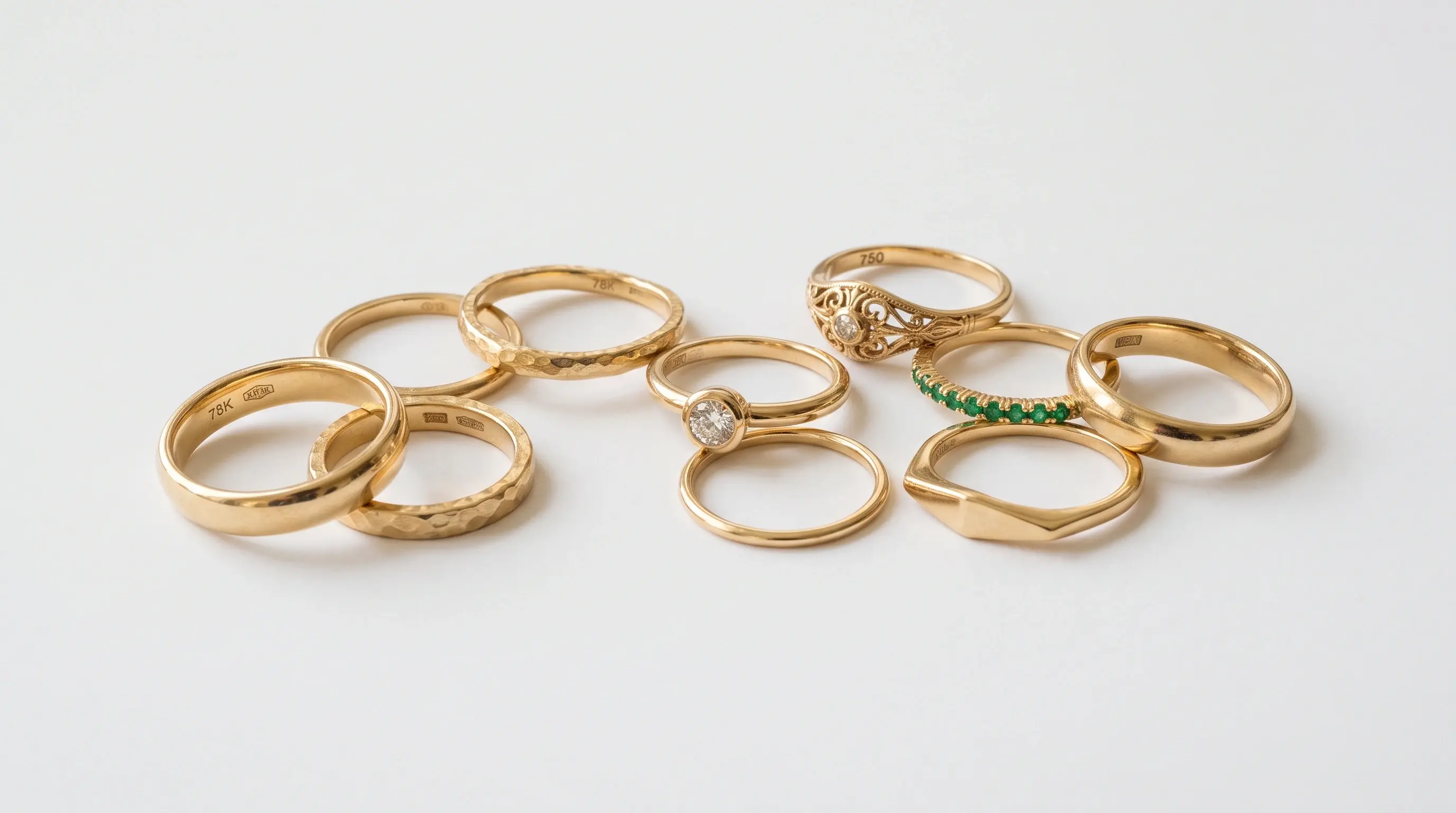
If you have a gold ring, use the hallmark inside the band to identify the karat (like 14K or 18K). Then, check the metal’s current price by looking at a live spot price checker online. This gives you a current baseline for the setting.
4. Compare against real completed resale prices
Look at completed sales, rather than active listings, for rings that look like yours to see how much people on resale marketplaces are willing to buy at. Pay close attention to the final selling price: Asking for $6,000 and selling for $6,000 are two very different things.
5. Ask for a firm offer in writing
Once you have a working range, get a buyer to evaluate your ring and put the offer in writing. Make sure the paperwork reflects what you’ll really walk away with, and any deductions should be clear up front.
What your ring is worth by where you sell it
Where you sell can change how much you get back. Each route strikes a different balance between payout and effort.
Pawn shops
Pawn shops prioritize speed and typically offer significantly less than the ring’s raw material market value (rates vary from shop to shop, sometimes dramatically). You may leave with cash quickly without much effort, but you won’t get as much money in return.
Local jewelers
For most rings, resale value lands around 30–60% of the original retail price. Signed designer rings tend to sit toward the top of that range, while rings from box stores without certified gemstones or that are out of fashion usually fall closer to the bottom.
A local jeweler can be a solid option if the ring fits what they already sell. But their offer still has to leave room for resale, so what they’re willing to pay may depend on how confident they are that the ring will move in their store.
Peer-to-peer marketplaces
Selling jewelry online in peer-to-peer marketplaces can bring around 30–50% of the original retail price. You control the asking price, but you also handle the buyer and payment yourself, with no guarantees of a quick sale.
Online jewelry buyers
Specialized online jewelry buyers let you get a valuation and direct offer without finding the end buyer yourself. With Unvault, you can start with a valuation through pictures and take your time deciding whether you want to send the ring in for a more thorough appraisal or sale.
We buy directly based on the jewelry’s material value using current spot prices. That means up to 85% of the piece’s underlying value can stay with you instead of being absorbed by the sale margin a local dealer needs to build in.
We charge a 15–20% platform fee, depending on the item, which covers authentication, testing, insured shipping, processing, and support. The fee appears in your final offer before you decide whether to accept, so you won’t be taken off guard by last-minute charges that make another service a better option.
Just be aware that our full process usually takes about five to eight business days, so it’s not a same-day cash option.
Unvault helps you get a real number before you sell
Exactly how much you can sell your wedding ring for depends on what it’s made of and who you ask. Jewelers are more likely to give you a sizable return, but they can be more selective with their purchases, and they still have to cover overhead. If you know how much your ring is worth heading into the conversation, you’ll be in a better position to identify a strong offer.
Start with Unvault’s free online valuation to get an estimate of how much your engagement ring is worth before committing to a sale.
If you decide to sell your ring to us — no pressure — we provide a fully insured shipping label and record the in-person appraisal on video. You review the final offer, then decide what happens next.
Frequently Asked Questions
-converted-from-png.webp)